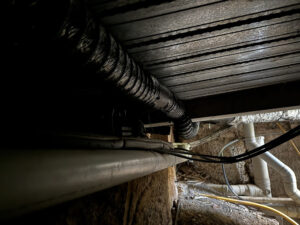
Proper sub floor ventilation is crucial for maintaining a healthy and safe home environment. This type of ventilation helps to prevent excess moisture from accumulating under your house, which can lead to a range of problems such as mould growth, structural damage, and pest infestations. Without adequate ventilation, the damp air can wreak havoc on your home’s foundations, leading to costly repairs and health issues for the residents.
In this guide, we’ll provide you with practical tips to ensure your sub floor ventilation system functions optimally, keeping your home safe and healthy.
Understanding the Importance of Sub Floor Ventilation
When air circulation is poor under your house, moisture can build up, leading to a host of issues that can compromise the structural integrity of your home. That’s why it’s important to have sub floor ventilation to prevent this from happening. One of the primary issues caused by excess moisture is the growth of mould and mildew. These fungi thrive in dark, damp environments and can pose serious health risks, particularly to individuals with respiratory conditions or allergies.
In addition to health concerns, excess moisture can attract pests like termites and rodents. Termites, in particular, are drawn to moist wood and can cause severe damage to your home’s wooden structures. Effective sub floor ventilation can help mitigate these risks by ensuring that moisture levels remain low and the area stays dry.
Furthermore, proper ventilation helps in preventing wood rot, which can weaken the foundation of your home. Over time, untreated wood rot can lead to significant structural damage, resulting in costly repairs. By understanding the importance of sub floor ventilation, you can take proactive measures to protect your home and maintain a safe living environment for you and your family.
Key Components of an Effective Sub Floor Ventilation System
An effective sub floor ventilation system consists of several key components that work together to ensure optimal air circulation and moisture control. These components include air vents, fans, and ducts, each playing a crucial role in maintaining a dry and mould-free sub floor area.
1. Air Vents: Properly placed air vents are essential for facilitating natural air flow under your home. These vents allow fresh air to enter and stale, moist air to exit, promoting continuous ventilation. It’s important to install enough vents around the perimeter of the house to ensure even air distribution.
2. Fans: Mechanical fans can significantly enhance air circulation, especially in areas where natural ventilation is insufficient. Installing strategically placed fans helps to actively remove damp air and replace it with fresh, dry air. For optimal results, consider using fans with humidity sensors that automatically activate when moisture levels rise.
3. Ducts: Ducts are used to direct the air flow from the fans to specific areas of the sub floor. Properly sealed ducts ensure that the air is transported efficiently without any leaks, maintaining the effectiveness of the ventilation system.
4. Moisture Barriers: Adding a moisture barrier or vapour barrier to the ground of your sub floor can further protect your home from dampness. These barriers prevent moisture from rising up from the soil and can be particularly useful in areas with high water tables or frequent rainfall.
Common Mistakes to Avoid in Sub Floor Ventilation
Setting up a sub floor ventilation system can be challenging, and there are several common mistakes that homeowners should avoid for optimal results. Understanding these pitfalls can help you ensure your system operates efficiently and effectively.
1. Insufficient Vent Placement: One of the most common mistakes is installing too few air vents or placing them in ineffective locations. It’s vital to ensure that vents are evenly distributed around the perimeter to promote consistent air flow. This helps to avoid hotspots of stagnant, moist air that can lead to mould and structural damage.
2. Ignoring Fan Capacity: Installing fans with inadequate capacity can compromise the effectiveness of your ventilation system. Always consider the size of your sub floor area and choose fans that can handle the volume of air required to maintain a dry environment.
3. Poorly Sealed Ducts: Leaky ducts can reduce the efficiency of your system by allowing moist air to escape before it is properly vented out. Ensure that all ducts are sealed correctly to maintain effective air flow.
4. Overlooking Maintenance: Neglecting the regular maintenance of your sub floor ventilation system can lead to decreased performance over time. Components like fans and ducts require periodic cleaning and inspection to function optimally.
Maintenance and Best Practices for Long-Term Efficiency
Maintaining your sub floor ventilation system is crucial for ensuring its long-term efficiency. Following best practices can keep your system running smoothly and prevent costly repairs.
1. Regular Inspections: Conduct regular inspections of your ventilation system to check for any signs of damage or blockages. Look for issues such as debris in air vents, clogged ducts, or malfunctioning fans.
2. Cleaning Components: Clean the air vents, fans, and ducts periodically to remove dust, dirt, and debris. This helps maintain optimal air flow and prevents the system from working harder than necessary.
3. Monitor Humidity Levels: Use a hygrometer to regularly monitor the humidity levels in your sub floor area. Keeping an eye on moisture levels can help you detect and address issues before they become serious problems.
4. Professional Servicing: Schedule regular servicing by a professional to ensure all components are in good working condition. A professional can identify potential issues that you might miss and provide solutions to keep your system functioning efficiently.
Conclusion
Sub floor ventilation is essential for maintaining the health and safety of your home. By implementing a well-designed system, you can prevent moisture build-up, deter pests, and avoid structural damage. Understanding the importance of proper ventilation, selecting the right components, avoiding common mistakes, and adhering to best maintenance practices are crucial steps in achieving an effective sub floor ventilation setup.
For expert advice and professional installation of top-quality sub floor ventilation systems, contact Western Sydney Ventilation today. Our team is dedicated to providing you with the best solutions to enhance your home’s air quality and structural integrity. Call us now to get started on creating a healthier home environment!